Knowing the common blocked drain causes helps you stop small problems before they turn into an overflow.
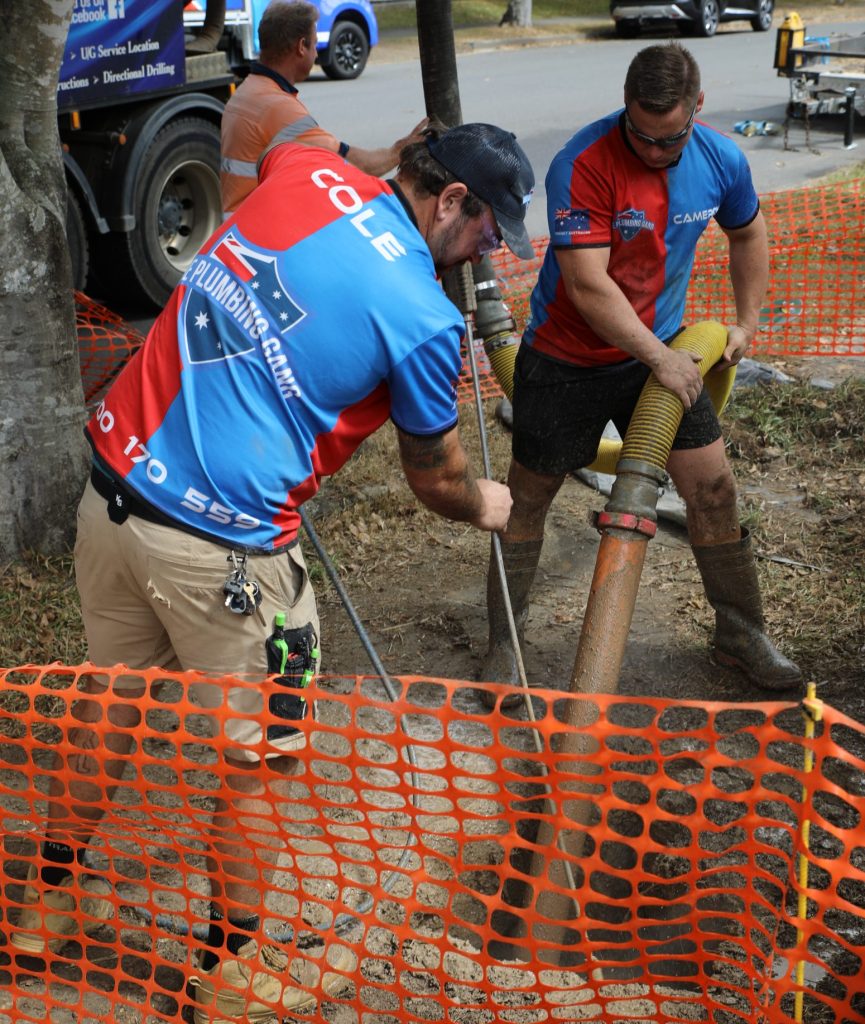
A blocked drain rarely appears out of nowhere. Most blockages build gradually, and your plumbing usually gives you hints along the way. Catching these early can save you the mess and stress of an overflow.
Warning signs to watch for
- Gurgling noises. Bubbling or gurgling from drains, or from the toilet when you run a tap, can mean air is being forced past a blockage.
- Slow draining. Water that takes a long time to disappear from the sink, shower or bath is a classic early sign.
- Bad smells. A persistent sewer smell inside or around the yard can point to a blockage or a damaged pipe.
- An overflowing gully trap. If the gully trap outside your home overflows, the sewer line is likely blocked downstream. This needs prompt attention.
- Multiple fixtures affected. If more than one drain is slow or backing up at the same time, the problem is probably in the main line rather than a single fixture.
- Water coming up elsewhere. Water rising in the shower when you flush the toilet, for example, is a sign the line is obstructed.
Common causes of blocked drains
Wipes and other items flushed down the toilet
Many wipes labelled as flushable do not break down the way toilet paper does. They can snag and build up inside pipes. Only toilet paper should go down the toilet, along with what the toilet is meant to handle.
Fat, oil and grease
Cooking fat is liquid when hot but cools and sticks to the inside of pipes, trapping food scraps and other debris. Wipe pans with paper and put fats in the bin, not down the sink.
Hair and soap scum
In showers and bathroom basins, hair mixes with soap residue to form stubborn clogs. A simple drain strainer can help.
Tree roots
Roots seek out moisture and nutrients and can enter sewer pipes through tiny gaps or joints. Once inside, they can grow and catch waste. Read more in our article on tree roots in sewer pipes.
Broken, collapsed or misaligned pipes
Ground movement, age and root damage can crack or shift pipes. Even a clear-out may not solve the problem if the pipe itself is damaged.
How plumbers find and fix the problem
CCTV camera inspection. A small waterproof camera is fed into the drain, letting the plumber see exactly what is going on: a build-up, roots, a crack or a collapsed section. It takes the guesswork out of the diagnosis and avoids unnecessary digging.
Jet blasting. A high-pressure water jet can clear grease, scale, silt and many roots from inside the pipe, restoring flow. It is often followed by a camera check to confirm the pipe is clear.
If the camera shows damage, options include spot repair, pipe relining or, in some cases, excavation and replacement.
What not to do
- Avoid repeated use of harsh chemical drain cleaners, which can be hazardous and may damage some pipes.
- Do not attempt work on the sewer line yourself. Sewage carries health risks and sewer work is for licensed plumbers.
- Do not ignore an overflowing gully trap, as sewage can spill onto your property.
If a blockage is causing sewage to back up, our emergency plumbers are available 24/7.
Preventing the most common blocked drain causes
Most blocked drain causes are easy to avoid. For example, bin wipes, scrape grease into the rubbish and use hair catchers in showers. In addition, Urban Utilities explains what can and can’t go down the drain. If water still backs up, our blocked drain plumbers can help.
Dealing with a slow or blocked drain? Call The Plumbing Gang on 1300 671 525 or see our drain services.