A burst flexi hose is one of the most common causes of indoor floods, and it often happens when no one is home.
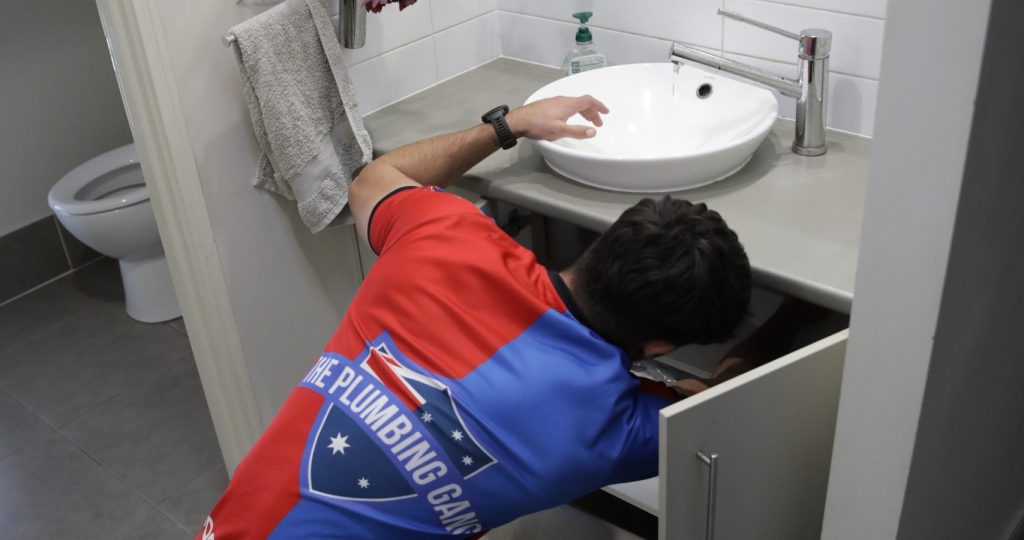
Under most kitchen sinks, bathroom vanities and toilets, there’s a small, flexible hose quietly doing a big job. When it fails, it can release a lot of water in a short time, often while no one is home. Here’s what to know about flexi hoses and how to reduce the risk.
What is a flexi hose?
A flexi hose, also called a flexible connector or braided hose, is a short flexible line that connects your water supply pipe to a tap, toilet cistern, washing machine or similar fixture. It usually has a rubber or plastic inner tube covered by a braided outer layer, with metal fittings at each end. Because it bends, it’s quick to install and forgiving of small alignment issues.
The trade-off is that these hoses sit under constant water pressure around the clock, and they don’t last forever.
Signs a flexi hose is wearing out
Take a torch and have a look. Warning signs include:
- Rust or corrosion on the braiding or the metal fittings
- Fraying or broken strands in the braided cover
- Bulging or swelling in the hose, which suggests the inner tube is weakening
- Kinks or sharp bends that stress the hose
- Dampness, drips or water stains around the connections or on the base of the cabinet
- Mineral crusting or discolouration at the fittings
If you see any of these, don’t wait. A hose that looks tired can fail suddenly.
How old is too old?
There’s no single lifespan that applies to every hose. It depends on the product, water quality, temperature and how it was installed. Many manufacturers give a recommended service life, so check the markings or packaging if you can. As a general rule, if you don’t know how old your hoses are, or they were installed many years ago, it’s sensible to have them inspected and replaced if needed.
Where to check
- Under kitchen sinks
- Under bathroom and laundry vanities
- Behind and beside toilets
- Behind the washing machine and dishwasher
- Any other fixture connected with a braided hose, such as some hot water connections
Make this part of a regular home check, perhaps every time you change the smoke alarm batteries. Also keep an eye out for items stored under sinks that could knock or press against a hose.
Flood guards and emergency stop valves
Some products are designed to limit the damage if a hose does fail. A flood guard, or emergency stop valve, is fitted to the supply line and is designed to shut off the flow automatically if it detects a sudden surge, such as the one caused by a burst hose. Depending on the product, this may be triggered by a spike in flow rate or by the hose failing. Some hoses come with this feature built in.
These devices don’t replace regular checks, and they’re not suitable for every situation, so ask your plumber which option suits your fixtures and water pressure. Their value is that they can stop a small failure from becoming a major flood.
Replacing flexi hoses
Replacing a hose is usually a straightforward job for a licensed plumber. They’ll make sure the right hose and fittings are used for the application, that it isn’t twisted or under strain, and that the connections are watertight. It’s often a good time to check the isolation taps too, since an old tap that won’t close properly can make a later repair harder.
If a hose bursts
- Turn off the isolation tap under the fixture if you can reach it, or the main water supply at the meter or house isolation valve.
- Keep away from power points and appliances if water has spread. If it’s safe, switch off power at the switchboard.
- Mop up and move belongings out of the wet area.
- Call a licensed plumber for an urgent repair, and take photos of the damage in case you need to make an insurance claim.
How to avoid a burst flexi hose
To avoid a burst flexi hose, check each hose for rust, kinks or bulges, and replace old ones. In addition, flood guards can shut off water automatically. See our flood guards page, and Urban Utilities also has tips on spotting leaks early.
Not sure how old your flexi hoses are? Call The Plumbing Gang on 1300 671 525 or see our water damage and leak services. If water is already flowing, our emergency plumbers are available 24/7.