Commercial leak detection helps hotels, strata buildings and multi-storey properties find the source of water damage quickly.
In a multi-storey building, a small leak in one unit can become a big problem for several others. Water travels along pipes, through slabs and down walls, and it often shows up a long way from where it started. Finding the source takes methodical work, not guesswork.
Common leak sources
Water through ceilings from units above
Stains, bubbling paint or dripping from a ceiling often point to a problem in the unit or room above. It might be a leaking pipe, a failed bathroom, a laundry connection or an overflowing fixture.
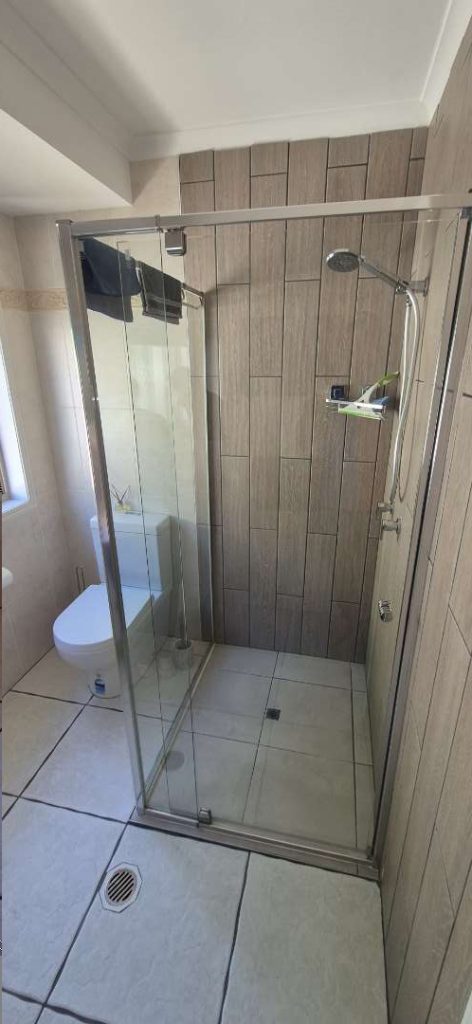
Failed shower grout and waterproofing
Cracked grout, worn silicone and failing waterproofing membranes let water seep through tiles into the floor and wall structure. The damage can stay hidden for a long time before staining appears on the level below.
Pipe leaks inside walls
Pressure pipes, joints and fittings inside walls and risers can fail with age or movement. These leaks may only show as a damp patch, a musty smell, or an unexplained rise in water use.
How leaks are found
- Moisture meters: measure moisture in walls, ceilings and floors so affected areas can be mapped.
- Thermal imaging: shows temperature differences that can reveal damp areas or hot water leaks behind surfaces. It is a guide, not proof on its own, and results are confirmed with other methods.
- Pressure testing: helps determine whether a pipe is losing pressure, which points to a leak in that section.
- Water meter checks: if the meter keeps moving with everything off, water is going somewhere.
- Flood testing showers: the shower recess is temporarily blocked and filled with water to see whether the level drops or water appears below. This helps confirm whether the waterproofing has failed. See our leak detection services.
Plumbers usually combine several of these methods, because one result alone can mislead.
Working around guests and residents
Hotels, apartments and offices are occupied, so leak detection has to be planned. Good practice includes:
- giving residents or guests clear notice and an expected time window
- working in quiet hours where possible
- protecting floors and furniture, and cleaning up after
- isolating the smallest section of pipework possible when shutting off water
- scheduling work room by room in hotels so rooms can return to service
Body corporate coordination
In strata buildings, leaks raise questions about who is responsible. That often depends on whether the source is common property or inside a lot, and your strata management and the body corporate’s governing documents and insurance come into play. Early on, notify the building manager or committee, record what you find, and take photos of damage. A plumber’s written report describing the source and cause helps everyone work out the next steps, and may help with insurance claims.
Act early
Water damage spreads quietly. It can lead to mould, damaged finishes and corroded fixtures, and the longer a leak runs, the greater the repair. If you notice stains, damp smells or unusually high water bills, have the cause investigated promptly.
Why commercial leak detection pays off
Commercial leak detection finds the source quickly, so repairs are smaller and guests or residents are disturbed less. As a result, body corporates save on repeat call-outs. Our commercial leak detection team can help, and Urban Utilities has more on water efficiency.
Seeing stains, damp or a rising water bill in your building? Call The Plumbing Gang on 1300 671 525 or see our commercial plumbing services.