Seeing water dripping from a pipe near your hot water system can be worrying. The relief valve is a safety device, and sometimes a little water coming out is exactly what it is meant to do. Other times it signals a problem. Here is how to tell the difference.
What the relief valve does
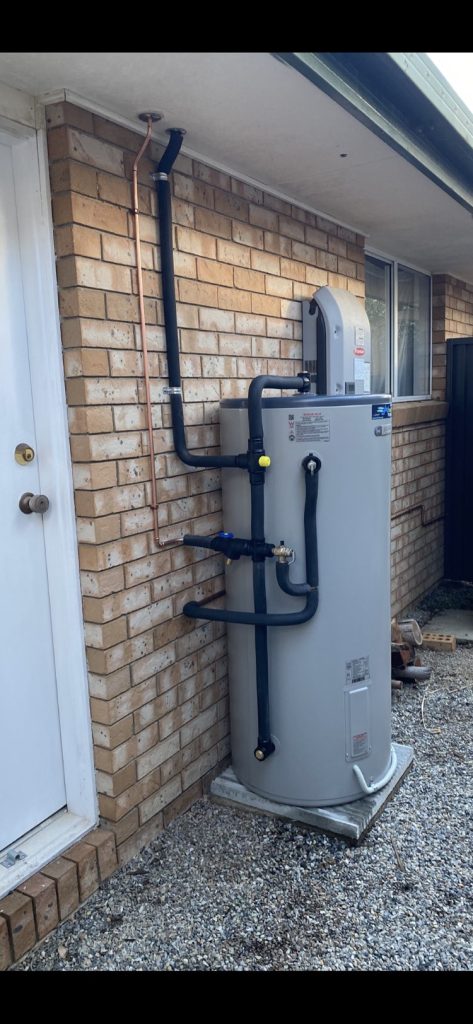
A hot water system has a relief valve (often called a pressure and temperature relief valve or PTR valve) fitted to protect the tank. If the pressure or temperature inside gets too high, the valve opens and releases water. A drain line carries that water away, usually to the outside of the house.
When a drip is normal
As water heats up, it expands. In many systems, that extra volume has to go somewhere, and the relief valve may release a small amount of water while the system is heating. You may see an occasional drip or a short trickle that stops once heating finishes. This is common and is not usually a cause for concern.
When it is not normal
You should have it checked if:
- Water runs constantly, day and night, regardless of whether the system is heating.
- The flow is strong rather than a drip.
- The water coming out is scalding or the valve is steaming.
- The valve is corroded, or there is a build-up of mineral deposits around it.
Common causes of a constantly leaking valve
High mains water pressure
If the water pressure coming into your home is higher than the system is designed for, the relief valve may keep releasing water. High pressure can also stress taps, appliances and pipes throughout the house.
A faulty or worn valve
Relief valves can wear out or become fouled with sediment and scale, so they no longer seal properly. In that case the valve itself usually needs replacing.
Expansion control valves
Some systems have an expansion control valve fitted to deal with the expansion of heated water. These can fail or become blocked, which can lead to ongoing leaking.
Pressure limiting valves
A pressure limiting valve reduces the mains pressure entering the system. If it is missing, faulty or set incorrectly, excess pressure can reach the heater. Your plumber can test the pressure and advise whether one is needed or needs replacing.
A problem with the thermostat
If the water is being heated to a higher temperature than it should be, the temperature side of the relief valve may be opening. This needs urgent attention.
Safety warning: never cap or block the valve
Do not plug, cap, tie off or block the relief valve or its drain line. It is the last line of defence against dangerous pressure or temperature building up inside the tank. A blocked valve can allow a tank to fail, with a risk of serious injury and property damage.
Likewise, please do not try to replace the valve or adjust pressure settings yourself. Hot water work should be done by a licensed plumber. If a replacement hot water system is needed, it is notifiable work in Queensland, so your plumber lodges a QBCC Form 4 within 10 business days and gives you a copy.
What to do
- Watch whether the dripping stops once heating is complete.
- If the flow is constant, note how long it has been going and whether the water is very hot.
- Book a licensed plumber to test the pressure and check the valves.
If the valve is gushing or the water is scalding, turn off the power or gas to the heater and call our emergency plumbers.
Is your relief valve running constantly? Call The Plumbing Gang on 1300 671 525 or see our hot water services.